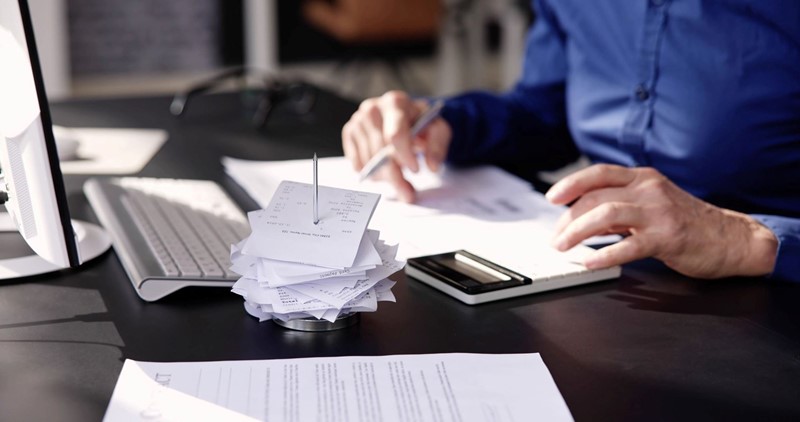
Self-employed individuals can deduct allowable business expenses from their income when calculating taxable profits. However, businesses must keep accurate records and evidence to support the costs being claimed.
HMRC requires taxpayers to keep proof of business expenses, although evidence does not usually need to be submitted with a self-assessment tax return. Records should be retained and made available if HMRC requests them as part of a compliance check.
Evidence should show the nature of the expense, the amount paid and that the cost relates to the business. This may include receipts, invoices, bank statements, contracts or other supporting documents. Where an expense has both business and private use, records should also demonstrate how the business proportion has been calculated.
Allowable expenses can include costs such as office expenses, travel, insurance, marketing, professional fees, staff costs and business premises costs. However, personal expenses cannot be claimed, and only the business element of mixed-use costs can be deducted.
Businesses should also ensure they use the correct treatment for larger purchases. Under traditional accounting, equipment, machinery and vehicles may need to be claimed through capital allowances rather than as day-to-day expenses. Under the cash basis, most equipment and machinery can be deducted as an expense, although cars are generally dealt with through capital allowances.


