Knowledge Keep up to date with the latest in accounting amendments & requirements

Welcome to our Knowledge Base
Here you will find lots of useful information relating to HMRC guidelines and the latest in guidance.
### filter required to display all posts with 'knowledge' category applied ###
Government reviews access to face-to-face banking services

The government has announced a review into access to face-to-face banking services as concerns continue to grow over the impact of bank branch closures on local communities, older customers and small
Companies House publishes its business plan

Companies House has published its business plan for 2026-27, setting out its priorities for the coming year as it continues to implement major reforms aimed at improving the quality of information
VAT – opting to tax property

The option to tax is a VAT election that allows businesses to treat supplies of most non-residential land and buildings as taxable rather than VAT exempt. Once an option to tax is made, supplies in
Claiming to reduce payments on account

Self-assessment taxpayers are usually required to make payments on account to pay their Income Tax liabilities. These are paid in two instalments, the first on 31 January during the tax year and the
IHT – gifts made with reservation of benefits

Most lifetime gifts are treated as potentially exempt transfers (PETs) for Inheritance Tax (IHT) purposes. In general, these gifts become fully exempt if the donor survives for seven years after
A reminder of tax-free trivial benefits

Employers looking to provide staff with small gifts or seasonal tokens of appreciation should remember the rules for tax-free trivial benefits.
A benefit can qualify as a trivial benefit where all of
Key person policies and tax relief

Many businesses take out “key person” insurance policies to protect against the financial impact of losing an important employee, director or other individual who is central to the success
Government measures to ease rising fuel costs
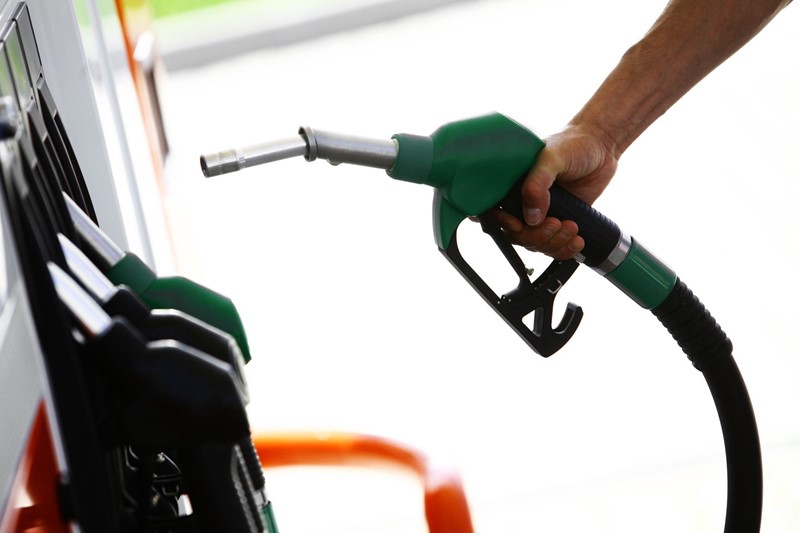
The government has announced a package of measures intended to help motorists and businesses manage rising fuel costs following disruption linked to the conflict in Iran.
As part of the package, the


LET’S GET STARTED!
"We pride ourselves on our exceptional customer service, our proactive approach and our clever use of technology"


